Best Serum for Oily vs. Dry Skin
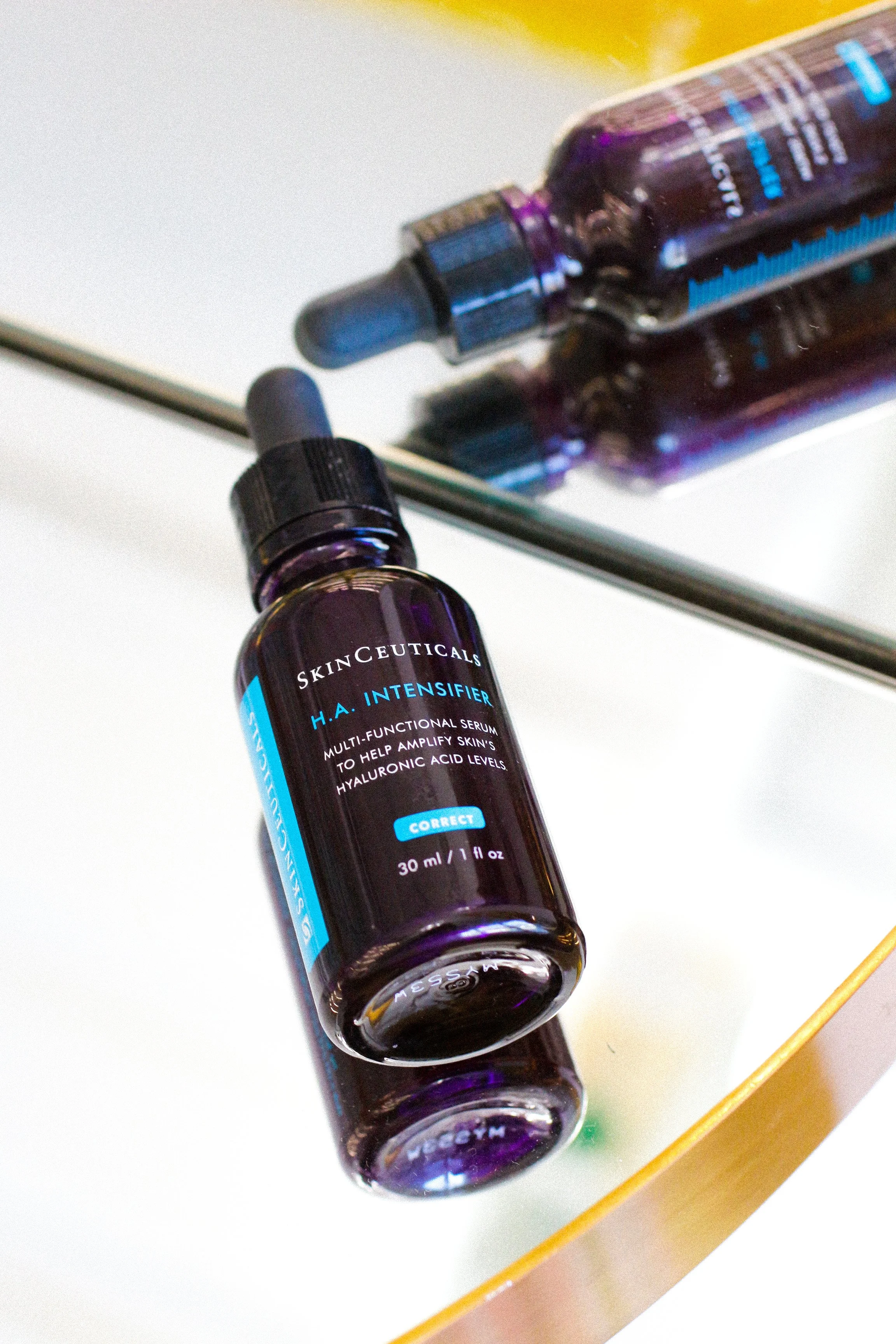
(because not all serums are created equal)
If you’ve ever bought a serum because it was trending, and then your skin said absolutely not, this is for you.
The truth is, the “best” serum isn’t about the brand — it’s about the ingredients and how they work with your skin type. Oily and dry skin need completely different things, and using the wrong one can actually make your skin worse.
Let’s break it down.
If you have OILY skin
Oily skin isn’t about having “too much moisture”, it’s actually often dehydrated and overcompensating by producing more oil.
So the goal?
Balance oil + hydrate without clogging pores
What to look for:
Niacinamide → helps regulate oil + calm inflammation
Salicylic acid (BHA) → clears pores and reduces breakouts
Zinc → helps control shine
Lightweight hyaluronic acid → hydrates without heaviness
These ingredients help reduce excess sebum and refine pores without stripping your skin .
What to avoid:
Heavy oils (unless super lightweight + intentional)
Thick, occlusive serums that feel greasy
Hot take: If your skin is super oily by midday, it might actually be begging for hydration — not harsher products.
If you have DRY skin
Dry skin is lacking both water and the ability to hold onto it, so your serum needs to do more than just sit on top.
The goal?
Deep hydration + barrier repair
What to look for:
Hyaluronic acid → pulls water into the skin
Glycerin → long-lasting hydration
Ceramides → repair the skin barrier
Squalane → mimics natural oils and seals moisture
Dermatology-backed ingredients like hyaluronic acid and ceramides are key for restoring hydration and strengthening the skin barrier .
What to avoid:
Over-exfoliating acids (can make dryness worse)
Alcohol-heavy formulas
Reality check: If your moisturizer “isn’t working,” your serum step is probably missing.
Oily vs. Dry the biggest difference
Oily skin = needs lightweight hydration + oil control
Dry skin = needs hydration + something to lock it in
Same step in your routine… completely different strategy.
Can you use the same serum for both?
Actually, yes, sometimes.
Ingredients like:
Hyaluronic acid
Niacinamide
can work for both skin types, just in different formulations. The texture and supporting ingredients are what really matter.
How to layer your serum (this part matters)
Apply on slightly damp skin for better absorption
Follow with a moisturizer to lock everything in
SPF in the morning, always (non-negotiable)
If your skin feels:
greasy → don’t strip it, balance it
tight → don’t ignore it, rebuild it
The right serum should make your skin feel calm, balanced, and supported, not confused.